Building the Modern Meeting Workspace
Corporate event planning has always been a high-stakes balancing act. Planners juggle endless logistics, stakeholder demands, and tight timelines, often with a disjointed set of tools. Spreadsheets for budgets, separate apps for project management, and endless email chains for vendor communication create a fragmented workflow. This scattered approach doesn’t just cause stress; it creates data silos, increases the risk of errors, and obscures the real-time visibility needed to make strategic decisions.
The modern meeting requires a modern workspace—one that centralizes command, unifies data, and streamlines collaboration. Today’s event planning tech stack must do more than just manage tasks; it needs to provide a holistic view of the entire event lifecycle. Imagine having a single source of truth where budgets automatically update as vendor contracts are signed, where timelines are visible to every team member, and where leadership can view progress on a dynamic dashboard.
This isn’t a futuristic ideal. It’s a practical necessity for teams aiming to execute flawless, high-impact events. Building a centralized command center empowers planners to move from reactive problem-solving to proactive, strategic management. Let’s explore how to construct this modern workspace and why it’s critical for success.
The Challenge of Fragmented Planning
Before we build a better system, it’s important to understand the pitfalls of the old one. When your event planning tech stack is a patchwork of disconnected tools, you create friction at every turn.
A typical workflow might involve tracking the budget in Excel, managing tasks in Asana, communicating with vendors via email, and storing documents in Dropbox. Each tool holds a piece of the puzzle, but no one has the complete picture. This fragmentation leads to several key challenges:
- Data Discrepancies: A change in one system doesn’t automatically update another. A revised vendor quote in an email might not get reflected in the budget spreadsheet, leading to costly oversights.
- Wasted Time: Team members spend valuable hours manually transferring information between systems, chasing down updates, and reconciling conflicting data.
- Lack of Visibility: Without a central hub, it’s nearly impossible for leadership to get a quick, accurate overview of the event’s status, budget, and risks.
- Communication Breakdowns: Critical information gets lost in long email threads, leading to misaligned teams, missed deadlines, and frustrated vendor partners.
These issues compound, turning manageable tasks into major headaches and preventing planners from focusing on what truly matters: creating a strategic and engaging attendee experience.
The Power of a Centralized Command Center
The solution to fragmentation is centralization. A unified command center brings every aspect of event management into a single, cohesive ecosystem. By consolidating workflows, data, and communication, planners gain a level of control and clarity that a scattered tech stack can never provide.
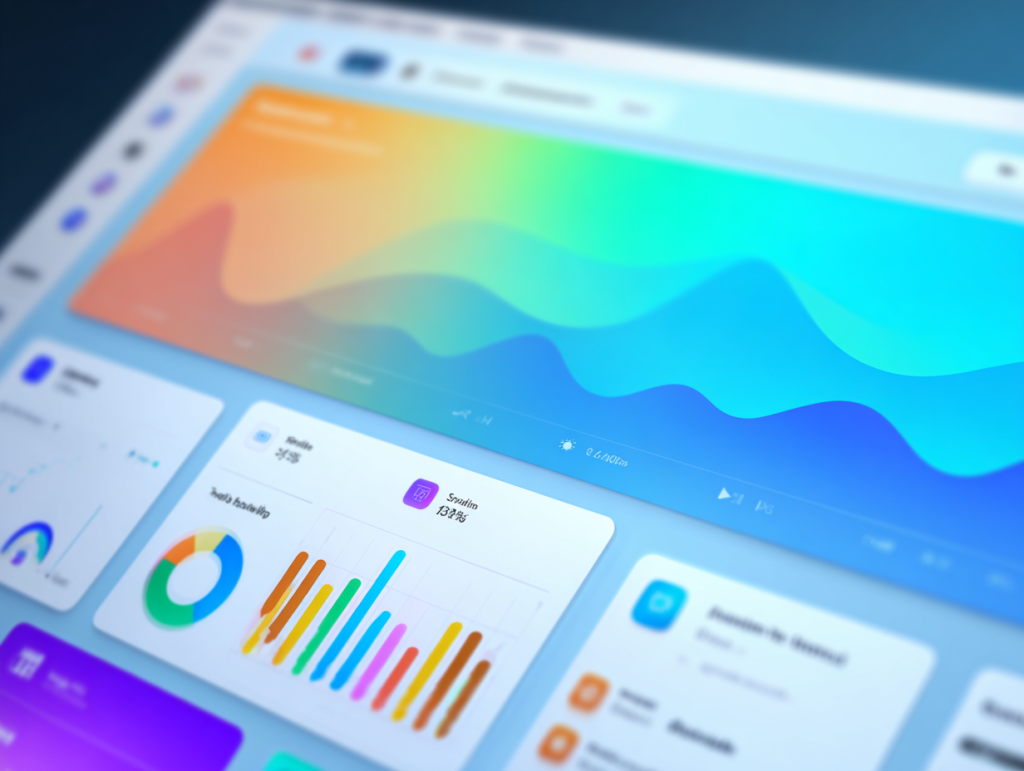
The primary benefit is real-time visibility. When all your data lives in one place, you can build dashboards that give you an at-a-glance understanding of your event’s health. You can track budget vs. actuals, monitor registration numbers, and oversee task progress without ever leaving the platform. This empowers you to identify potential issues early and make informed, data-driven decisions on the fly.
A centralized system also fosters seamless collaboration. With everyone working from the same information, your team, vendors, and stakeholders remain perfectly aligned. Updates are shared instantly, feedback is captured in context, and accountability is clear. This not only improves efficiency but also strengthens relationships by building a foundation of trust and transparency.
Designing Your Event Command Center
What does a modern event workspace actually look like? It’s more than just a project management tool; it’s a dynamic portal built around the core data modules of conference planning. To be effective, your command center should integrate the following components.
Core Data Modules to Include:
- Budget & Finance Tracking: A live budget that connects directly to vendor contracts and expense reports.
- Task & Project Management: Assign tasks, set deadlines, and track progress across all workstreams.
- Vendor & Partner Management: A centralized database for all vendor contracts, communications, and performance metrics.
- Timeline & Milestone Tracking: A master timeline that visualizes key deadlines and project phases.
- Registration & Attendee Data: Real-time insights into registration numbers, attendee demographics, and engagement.
- Content & Speaker Management: A hub for managing session details, speaker logistics, and presentation materials.
- Reporting & Dashboards: Customizable dashboards that provide a high-level overview for stakeholders and granular details for planners.
When these modules are interconnected, they create a powerful, self-updating system. For example, when a speaker is confirmed, tasks for their travel and AV needs are automatically generated. When a vendor invoice is paid, the budget dashboard updates in real time. This is the power of a unified workflow.
Bringing It All Together with Event Alchemē
Building a custom command center from scratch can be a complex and expensive undertaking. That’s why we created Event Alchemē.
Event Alchemē is a custom-built event management portal that streamlines every stage of conference planning. We designed it to replace the scattered tools, spreadsheets, and email threads with a centralized, automated workspace tailored to each client’s unique workflow. It’s not just another piece of software; it’s a complete operating system for your event.
Our system integrates all the essential data modules—task management, vendor tracking, budgets, timelines, and collaboration features—into a single intuitive interface. With Event Alchemē, your team gets the real-time clarity and control needed to reduce errors, improve communication, and operate with unparalleled efficiency. It’s your in-house planning command center, built and managed by us.
We handle the technical heavy lifting so you can focus on strategy. By unifying your workflows and data, Event Alchemē transforms your planning process, giving you the confidence and bandwidth to deliver exceptional events every time.
A Strategic Shift in Event Management
Adopting a centralized workspace is more than a technological upgrade; it’s a strategic shift. It frees planners from administrative burdens and empowers them to become true strategic partners within their organizations. When you have a complete and accurate view of your event, you can provide leadership with the insights they need to make smart investments and align the event with broader business goals.
The future of event management is integrated, data-driven, and collaborative. By leaving behind a fragmented event planning tech stack and embracing a unified command center like Event Alchemē, you position your team to not only meet the demands of modern meetings but to exceed them.
Ready to build a workspace that works as hard as you do? Let’s talk about how a centralized system can transform your planning process and elevate your events.