The Narrative Arc of a Conference
A great conference doesn’t just happen. It’s designed. Every session, speaker, and coffee break contributes to a larger story. Yet, too often, agendas are assembled like a checklist—logistical pieces slotted into a schedule without a clear narrative thread. The result is a fragmented experience that leaves attendees informed but rarely transformed.
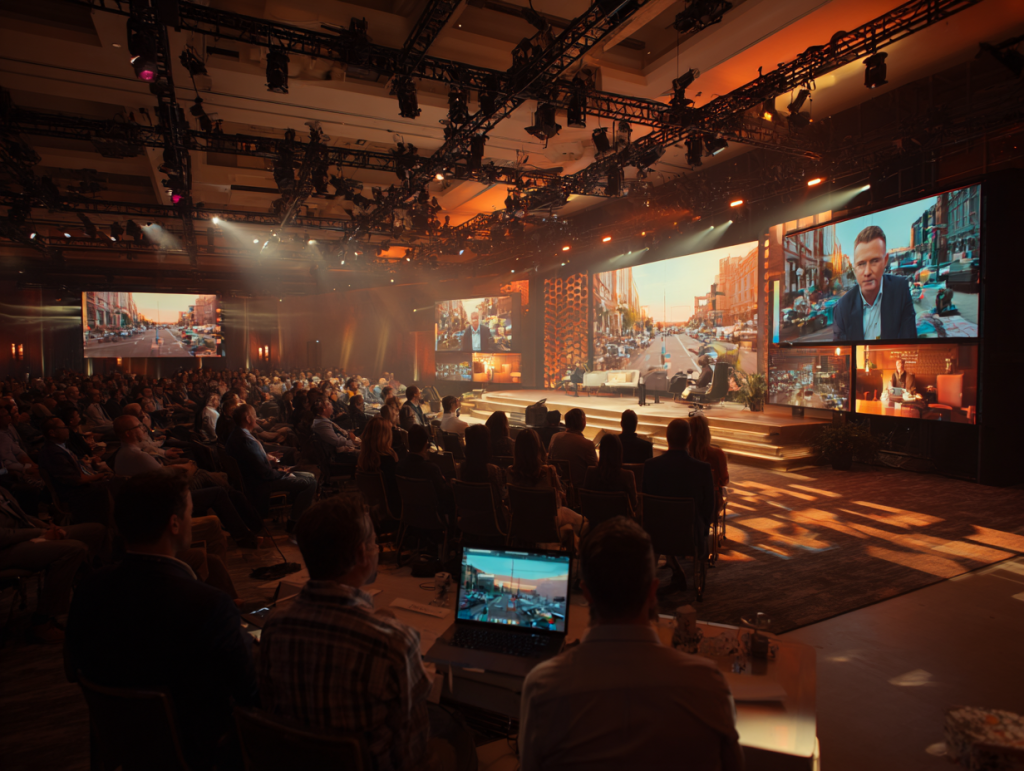
Effective conference storytelling is about seeing the event not as a series of standalone presentations, but as a cohesive journey. It’s about structuring your agenda with the same intention a storyteller uses to craft a compelling plot. By crafting a clear meeting narrative, you guide attendees from initial curiosity to a final moment of clarity and motivation, ensuring the event’s core message resonates long after the closing remarks.
This guide will walk you through applying the principles of narrative structure to your conference, turning a standard agenda into an engaging, memorable, and impactful experience.
Rethinking the Agenda as a Story Structure
At its core, every story follows a basic three-act structure: a beginning that establishes the world and presents a challenge, a middle that develops the conflict and raises the stakes, and an end that resolves the tension and delivers a payoff. This timeless framework is a powerful tool for conference storytelling.
- Act I: The Setup. Your conference opening sets the stage. It’s where you introduce the central theme or the “problem” the event aims to solve. This is your opportunity to grab the audience’s attention, establish a shared purpose, and pose the key questions that will be explored over the coming days. The opening keynote should not just welcome attendees; it should challenge them and give them a reason to invest their time and attention.
- Act II: The Confrontation. The middle of your conference is where the deep work happens. This is the “development” phase, filled with breakout sessions, workshops, and panel discussions that explore the central theme from various angles. Content in this act should build upon the opening, introducing new ideas, confronting complexities, and providing the tools and knowledge attendees need. This section is all about building momentum and deepening engagement.
- Act III: The Resolution. The final act brings the journey to a close. It’s where you synthesize the key takeaways, reinforce the core message, and provide a clear call to action. The closing sessions should tie everything together, offer a sense of closure, and empower attendees to apply what they’ve learned. The goal is to send them home not just with a notebook full of ideas, but with a renewed sense of purpose and a clear path forward.
Pacing the Agenda for Emotional Engagement
Just as a film uses pacing to build suspense and deliver emotional impact, a well-designed meeting narrative manages the audience’s energy and attention. A relentless schedule of back-to-back, high-intensity sessions leads to cognitive overload and burnout. Strategic pacing is essential.
Balance Content Intensity
Alternate between different formats and energy levels. Follow a data-heavy, analytical session with a more inspirational or interactive one. For example, a morning keynote focused on industry-wide challenges could be followed by collaborative breakout sessions where attendees brainstorm solutions in small groups. This shift from passive listening to active participation keeps energy levels high.
Build in “White Space”
Breaks are not just logistical necessities; they are a crucial part of the narrative. They provide attendees with the time to process information, network with peers, and recharge. These moments of “white space” are where some of the most valuable connections and insights occur. An agenda that respects the need for reflection demonstrates a human-centered approach to planning.
Linking Sessions for a Cohesive Narrative
For a conference to feel like a single, unified story, each session must feel connected to the whole. Individual speakers might be experts in their fields, but without a shared narrative thread, their presentations can feel disjointed.
- Create Thematic Threads: Identify two or three sub-themes that support your main conference message. Weave these threads through different sessions, allowing them to be explored from multiple perspectives. For instance, if your main theme is “The Future of Work,” sub-themes could include “AI Integration,” “Employee Well-being,” and “Sustainable Leadership.”
- Brief Speakers on the Bigger Picture: Don’t just give speakers their time slot and a list of logistical requirements. Share the overall meeting narrative with them. Explain how their specific topic fits into the larger story you’re trying to tell. Encourage them to reference other sessions or speakers to create a sense of continuity. When a speaker says, “Building on what Maria discussed this morning…,” it reinforces the idea that everyone is part of the same conversation.
Designing Emotional Peaks and Valleys
The most memorable events are those that elicit an emotional response. A powerful conference storytelling arc deliberately crafts moments of high emotion—inspiration, excitement, vulnerability—and balances them with periods of quieter reflection.
Think about the emotional journey you want your attendees to take. The opening might aim for excitement and anticipation. The middle could feature a powerful, personal story from a keynote speaker that creates a moment of shared vulnerability and connection. The closing should aim to foster a sense of empowerment and optimism.
These “emotional peaks” serve as anchor points for the attendee experience. They are the moments people will remember and talk about long after the event is over. Planning for these peaks ensures your conference delivers not just information, but inspiration.
How Story Alchemē Builds Your Meeting Narrative
Crafting a powerful narrative arc for a large-scale conference is a complex, strategic undertaking. It requires more than just good intentions; it demands a specialized skill set that blends creative storytelling with a deep understanding of event design.
This is where Story Alchemē, the strategic content and messaging arm of Conference Innovations, comes in. We specialize in transforming conferences from logistical gatherings into cohesive, memorable, and emotionally engaging experiences. Our process is designed to ensure every element of your event serves the larger story.
We work with you to:
- Define Your Core Message: We start by clarifying the central purpose of your event—the one big idea you want every attendee to walk away with.
- Design the Narrative Arc: We map out the entire attendee journey, structuring your agenda to create a compelling three-act story.
- Align Content and Speakers: We help you select and prepare speakers, ensuring their content aligns with the narrative and that sessions are seamlessly linked.
- Craft Emotional Peaks: We identify opportunities to create powerful, memorable moments that will resonate deeply with your audience.
By focusing on conference storytelling, we help you create an event that goes beyond presenting information. We help you build an experience that connects, inspires, and drives meaningful change.
Elevate Your Next Event
Shifting your mindset from agenda-building to storytelling is the first step toward creating a truly transformative event. By designing a clear meeting narrative, you provide your attendees with a cohesive journey that captures their attention, engages them emotionally, and leaves them with a lasting sense of purpose. It’s the difference between an event they attend and an experience they remember.