Designing Conferences That Speak
A conference is more than just a logistical exercise. It’s a powerful platform for brand storytelling. Every choice—from the color of the stage lighting to the font on a name badge—communicates something about your organization. When these elements are disconnected, the message gets lost. When they align, they create an experience that feels coherent, intentional, and memorable.
Effective event design translates your brand’s core values into a tangible, sensory experience. It ensures that what your audience sees and feels is a direct reflection of who you are as a company. This alignment doesn’t happen by accident; it requires a strategic approach that treats your event as a living, breathing expression of your brand.
This guide will walk you through how to transform your conference from a series of presentations into a cohesive brand story. We will explore how to build a visual language, leverage emotional cues, and adopt a narrative-first mindset. By the end, you’ll have a framework for designing events that not only run smoothly but also resonate deeply with your attendees.
Translating Brand Values into Design
The foundation of powerful event design is a deep understanding of your brand’s core values. These values are the guiding principles of your organization—the “why” behind what you do. Are you innovative and disruptive? Trustworthy and reliable? Playful and creative? Before you select a venue or design a slide deck, you must be able to articulate these principles clearly.
Once defined, your values become the filter for every design decision. This is where brand storytelling begins.
- For a brand centered on “Innovation,” your event design should feel forward-thinking and dynamic. This could translate to using cutting-edge stage technology, interactive digital agendas, or a venue known for its modern architecture. Every element should signal progress and creativity.
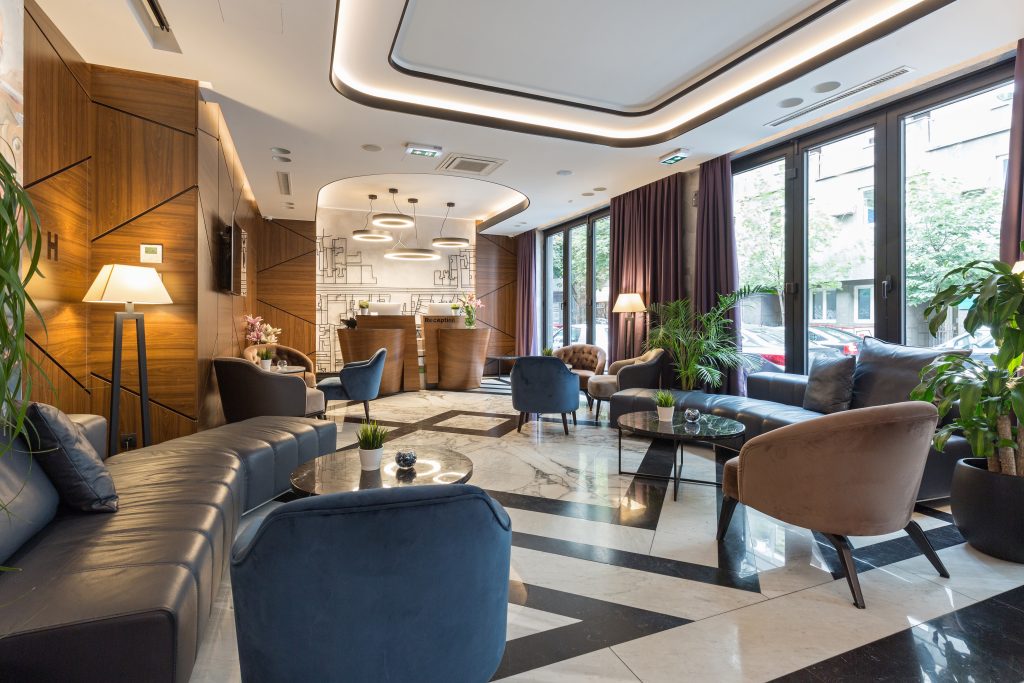
- If your brand values “Community,” the design should prioritize connection and collaboration. Think circular seating arrangements, communal lounges instead of rigid rows, and interactive workshops. The physical space should encourage networking and conversation, making attendees feel like part of a collective.
- A brand built on “Sustainability” must reflect that commitment visually. This means choosing eco-friendly venues, using recycled or digital materials instead of paper handouts, and sourcing local food. The design itself becomes proof of your brand’s integrity.
By consistently asking, “Does this choice reflect our values?” you create a strong thread that ties the entire experience together. This strategic alignment ensures your event doesn’t just look good—it feels authentic.
Building a Consistent Visual Language
Your event’s visual language is the collection of design elements that communicate your brand’s identity. This includes colors, typography, imagery, and even the physical textures used throughout the space. A consistent visual language creates a sense of harmony and reinforces your brand at every touchpoint, from pre-event emails to post-event surveys.
Think of it as the visual grammar of your event.
Color Palette
Color is a powerful tool for evoking emotion and conveying meaning. Your event’s color palette should be derived from your brand’s established guidelines but applied with intention. A financial services conference might use a palette of deep blues and grays to communicate stability and trust, while a tech startup’s user conference could use bright, energetic colors to signal innovation and excitement. Use these colors consistently across stage design, digital displays, signage, and even staff uniforms to create a cohesive and immersive environment.
Typography and Imagery
The fonts you choose and the images you display are critical components of your brand storytelling. Typography should be legible and consistent with your brand’s personality. Is it modern and sans-serif, or classic and serif? Whatever you choose, apply it consistently across all written materials.
Imagery should also be carefully curated. Are you using professional headshots of your speakers, candid photos of your team, or abstract graphics? Each choice tells a different story. High-quality, authentic photography that reflects your company culture can build a much stronger connection with attendees than generic stock photos.
Staging and Environmental Design
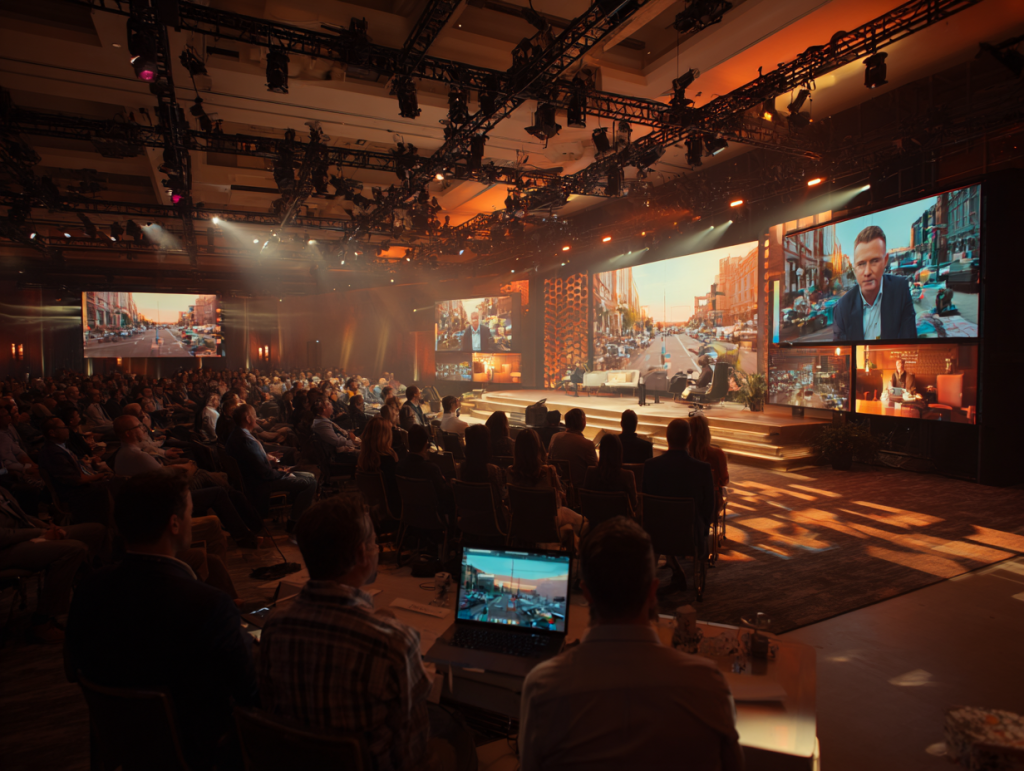
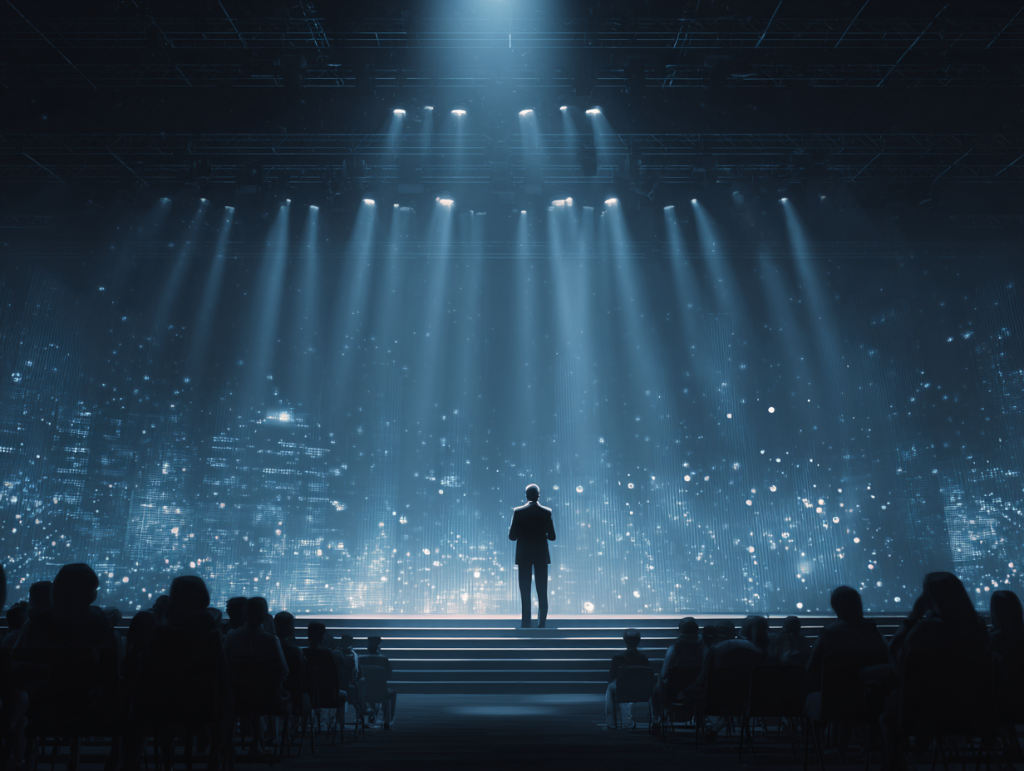
The physical environment is your largest canvas. Stage design, lighting, and spatial layout should all work together to support your narrative. A minimalist stage with a single lectern sends a very different message than a multi-screen, dynamic set with dramatic lighting. The design should complement the content, not compete with it. For example, a somber keynote about industry challenges might call for muted lighting, while a celebratory awards segment would benefit from vibrant, energetic lighting cues.
Using Emotional Cues to Drive Engagement
A truly memorable event is one that makes attendees feel something. Strategic event design uses emotional cues to guide the attendee journey and deepen the impact of your message. These cues are the subtle, often subconscious, elements that shape how an audience experiences your content.
Music is one of the most effective tools for setting an emotional tone. The walk-in music as attendees enter the general session can build anticipation and energy. A soft, instrumental track during a networking break can encourage quiet conversation. A triumphant anthem after a major announcement can amplify a feeling of celebration and success.
Lighting also plays a crucial role. Warm, soft lighting can create a sense of intimacy and connection, making it ideal for fireside chats or networking events. Bright, cool lighting, on the other hand, can promote alertness and focus, making it suitable for training sessions or complex presentations.
Even the flow of your agenda is a form of emotional design. Structuring your day with a mix of high-energy keynotes, focused breakouts, and relaxed networking breaks helps manage the audience’s emotional and cognitive load. Starting with an inspiring story, moving into practical workshops, and ending with a call to action creates a natural narrative arc that keeps attendees engaged from start to finish.
The Story Alchemē Philosophy: Narrative First
At Conference Innovations, we believe that the most impactful events are built on a foundation of strong brand storytelling. Our Story Alchemē service was created to help organizations move beyond logistics and focus on crafting a cohesive narrative. The philosophy is simple: strategy first, story always.
This approach integrates every aspect of the conference experience into a single, unified story. It starts with defining the event’s core purpose and key messages. From there, we design every element—from speaker scripts and slide content to agenda flow and visual design—to reinforce that central narrative.
This narrative-first approach ensures that:
- Every moment has a purpose. Breakout sessions aren’t just standalone talks; they are chapters in a larger story.
- Speakers are aligned. We provide speaker support to ensure their content aligns with the event’s main themes.
- Visuals support the message. Our visual content strategy ensures that what attendees see on screen deepens their understanding of what they are hearing.
By treating your conference as a strategic asset for storytelling, you can create an experience that not only informs but also inspires.
Design a More Meaningful Experience
Great event design is the bridge between your brand’s identity and your audience’s experience. It’s about making intentional choices that align every visual and emotional cue with your core values. When you get it right, your conference stops being just a meeting and becomes a memorable, story-driven experience that strengthens your brand and leaves a lasting impact on every attendee.
If you’re ready to transform your event with strategic brand storytelling, let’s connect. Our team at Conference Innovations can help you design an experience that truly speaks.