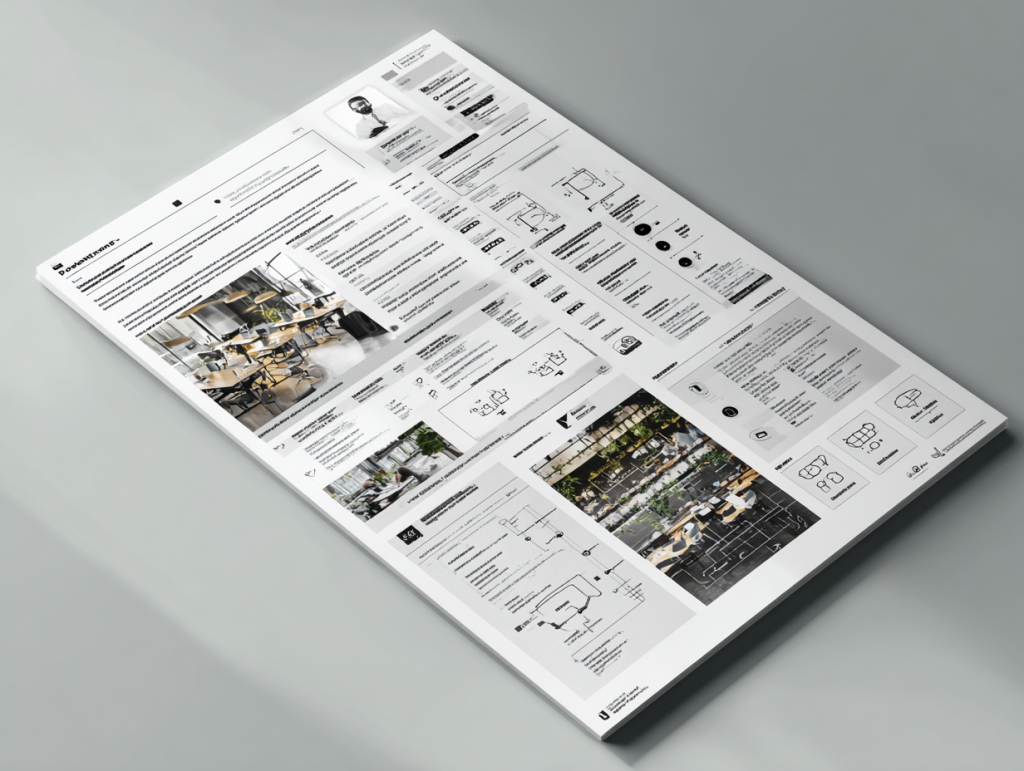
Turning Walkthroughs into Strategic Insights
In the world of corporate event planning, a spreadsheet can only tell you so much. You can compare capacities, review floor plans, and analyze costs, but the true potential of a venue—its energy, its service culture, its logistical quirks—remains abstract. That’s why the site visit is more than just a walkthrough; it’s a critical intelligence-gathering mission. It’s your opportunity to move beyond data and immerse yourself in the environment that will shape your attendee experience.
For sourcing managers and corporate meeting planners, a well-executed site visit is the most reliable way to vet a venue and protect your event’s success. It transforms the abstract process of venue sourcing into a tangible evaluation, ensuring the space aligns with your strategic goals, brand identity, and logistical needs. This guide offers a framework for turning your next site visit into a source of powerful strategic insights, helping you choose with confidence and design with clarity.
Before You Go: The Foundation of a Strategic Site Visit
A productive site visit begins long before you step on the property. Proper preparation ensures you arrive with a clear mission, ready to validate assumptions and uncover details that proposals can’t convey. Your goal is to move from a general impression to a structured evaluation.
Define Your Objectives and Non-Negotiables
What must this venue accomplish for your event to be a success? Before you create your site visit checklist, define your core objectives. Are you prioritizing networking, intensive learning, or brand immersion? Your primary goals will dictate what you need to scrutinize most closely.
- Logistical Needs: Pinpoint your non-negotiables. Do you require a general session room for 500 attendees with no pillars? A minimum of ten breakout rooms on the same floor? A loading dock with direct ballroom access?
- Attendee Experience: Consider the journey. How will attendees move between sessions? Where will they gather for informal conversations? Is the atmosphere conducive to focus and connection?
- Decision Criteria: Establish a clear scoring framework. Rank your priorities—such as cost, brand alignment, service quality, and logistical ease—to guide your evaluation and make post-visit comparisons more objective.
Arm Yourself with Key Questions
Prepare a detailed list of questions that go beyond the sales brochure. Group them by category to ensure a comprehensive review.
- For the Sales Team: Focus on contract flexibility, availability, potential conflicts (like renovations or competing groups), and the history of rate increases. Ask about the sales-to-operations handoff process to gauge how seamless the transition will be.
- For Operations Staff: If possible, try to speak with a convention services manager or banquet captain. Ask about staff-to-guest ratios, team tenure, and how they handle unexpected challenges. Their answers reveal the depth of their experience.
- For AV and Production Partners: Inquire about in-house capabilities, rigging points, power availability, and exclusivity clauses. Understanding these limitations upfront can save you from significant budget surprises.
On-Site Evaluation: Seeing Beyond the Surface
Once on-site, your role shifts from planner to detective. Look beyond the polished presentation to assess the venue’s operational reality. A successful conference planning strategy depends on understanding the nuances of the space and its service culture.
Evaluate the Flow and Atmosphere
Walk the attendee journey from arrival to departure.
- First Impressions: What is the experience of walking into the lobby? Does it feel welcoming, chaotic, or dated?
- Movement and Signage: Navigate from the main entrance to the meeting space, from the general session to breakouts, and from meeting rooms to restrooms. Are the pathways intuitive? Is there sufficient space for digital signage and registration?
- Ambient Factors: Pay attention to lighting, sound bleed between rooms, and temperature control. Sit in a breakout room and listen. Can you hear the event next door? These small details significantly impact attendee comfort and focus.
Observe the Service Culture
A venue’s staff is an extension of your event team. Observe how they interact with current guests and with each other. Do they appear engaged and proactive, or stressed and disengaged? A strong service culture is a leading indicator of a great partner. Take note of staff tenure; long-serving employees often signal a well-managed and stable operation.
Identify Potential Red Flags
Keep an eye out for warning signs that could signal future problems.
- Cleanliness and Maintenance: Are carpets worn, walls scuffed, or furniture stained? Signs of deferred maintenance suggest a lack of investment and attention to detail.
- Inconsistent Answers: If the sales manager and operations staff give you conflicting information, it could indicate poor internal communication.
- Rigidity and Lack of Flexibility: A partner who says “no” to every creative request during the site visit is unlikely to become more flexible after the contract is signed.
Working with Your Partners: CVBs, DMCs, and Sales Teams
Your site visit is a collaborative effort. Leverage the expertise of your destination partners to gain a deeper understanding of the local landscape.
- Convention and Visitors Bureaus (CVBs): Your CVB contact is an invaluable resource. They can provide unbiased insights into a venue’s reputation, recommend off-site event locations, and connect you with trusted local vendors.
- Destination Management Companies (DMCs): If you are using a DMC, involve them in the site visit. Their local knowledge is crucial for evaluating transportation logistics, off-site venue potential, and unique local experiences that can elevate your program.
- Venue Sales Teams: Treat your sales manager as a partner. Be transparent about your needs and concerns. A great sales manager will act as an advocate for your program and work to find creative solutions.
After the Visit: From Notes to a Decision
The work isn’t over when you leave the property. The final step is to translate your observations into a clear, actionable report that facilitates a confident decision.
The Comparison Framework
Immediately after your visit, while the details are fresh, organize your notes. A structured comparison framework is essential, especially after visiting multiple venues. This is where a centralized system becomes invaluable. The Event Alchemē portal, for example, allows you to store site visit notes, photos, and scored criteria in one place. This creates a side-by-side comparison that makes it easy to weigh the pros and cons of each venue objectively against your initial goals.
Your framework should include:
- A scoring system based on your predefined criteria.
- Qualitative notes on atmosphere, service, and flow.
- A summary of potential risks and opportunities for each venue.
- Photos and videos organized by area (e.g., ballroom, registration, breakouts).
Reporting to Leadership
When presenting your findings to stakeholders, lead with a clear recommendation supported by data and qualitative insights. Your executive summary should connect your choice directly back to the event’s strategic objectives. Explain why the recommended venue is the best fit not just logistically, but also for achieving the desired business outcomes and enhancing the attendee experience.
Your Next Strategic Move
A site visit is one of the most powerful tools in a planner’s arsenal. By approaching it with a strategic mindset, you can mitigate risks, identify opportunities, and build the foundation for a successful and memorable event. It’s the moment when your conference planning strategy comes to life, ensuring the venue you choose becomes a true partner in achieving your vision.