Using Emotion in Event Design
An event without emotion is just a logistical exercise. It’s a room, a schedule, and a list of attendees. But an event that moves people—that makes them feel inspired, connected, or understood—is an experience that creates lasting impact. Emotion isn’t just a “nice-to-have” in event planning; it’s the very currency of memorable moments.
For corporate meeting planners, mastering the art of emotional event design is the difference between an agenda that gets checked off and a message that gets absorbed. It’s about intentionally shaping how your audience feels from the moment they receive their invitation to the final round of applause. When attendees feel something, they remember everything.
This guide will explore the strategic role of emotion in creating powerful event experiences. We will look at the psychological drivers that influence attendees, how to align your message with the right mood, and the importance of sensory details. By the end, you’ll have a clear framework for turning your next conference from a simple gathering into a coherent, meaningful, and emotionally resonant event.
What Drives Your Audience? Understanding Emotional Triggers
Every decision your attendees make, from registering for the event to engaging with a speaker, is influenced by emotion. To design an effective experience, you must first understand the core emotional drivers at play. Are your attendees seeking a sense of belonging, a feeling of intellectual accomplishment, or the excitement of discovering something new?
Common emotional drivers in a corporate setting include:
- Connection & Belonging: The desire to network with peers and feel part of a professional community.
- Inspiration & Hope: The need to feel energized and optimistic about the future of their industry or career.
- Confidence & Competence: The drive to learn new skills and return to their jobs feeling more capable and valued.
- Curiosity & Discovery: The excitement of exploring new ideas, technologies, or solutions.
Identifying the primary emotional drivers of your specific audience allows you to tailor every element of your event. If your goal is to foster connection, for instance, you might prioritize interactive workshops and social networking lounges over a series of back-to-back lectures. If inspiration is the goal, your opening keynote becomes a critical moment to set a powerful, forward-looking tone. Don’t just plan what your attendees will do—plan what you want them to feel.
Designing for the Senses, Not Just the Mind
Emotion is a full-body experience. What we see, hear, taste, and touch profoundly shapes our mood and perception. A truly immersive event engages multiple senses to create a cohesive emotional atmosphere. This multi-sensory approach ensures your message isn’t just heard; it’s felt.
Consider these sensory elements:
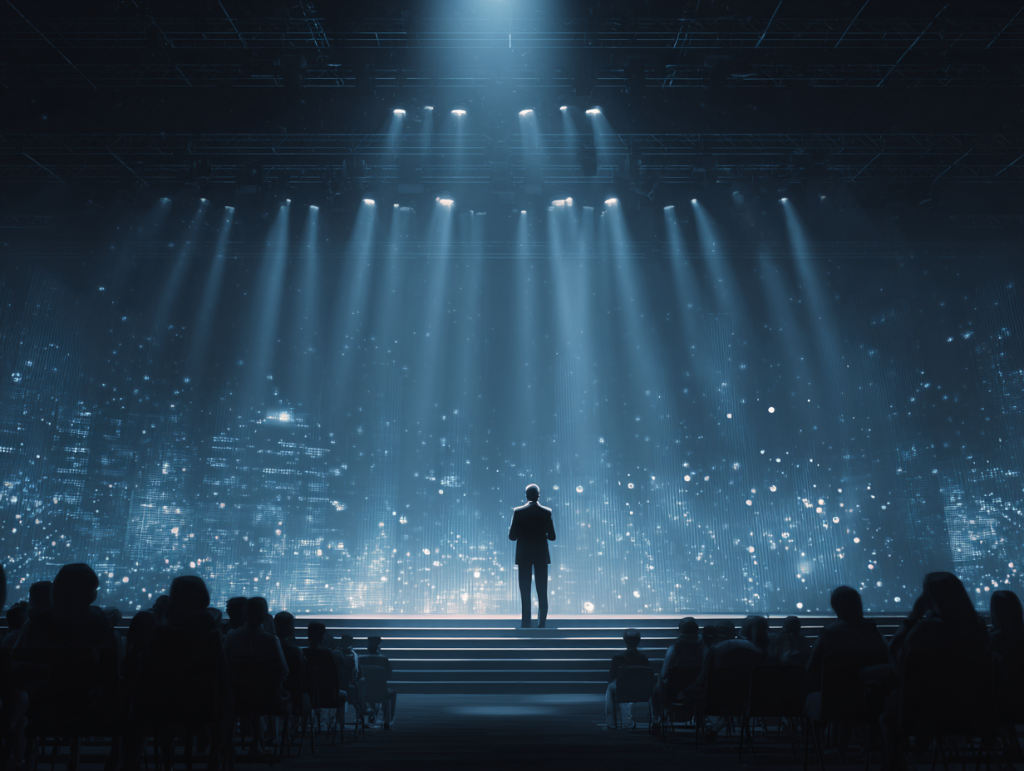
- Visuals: The use of color, lighting, and imagery sets the tone instantly. A room bathed in warm, soft lighting encourages calm conversation, while sharp, bright visuals can create a feeling of energy and innovation. Are your stage graphics and videos aligned with the emotional arc of your general session?
- Sound: Music is a powerful emotional tool. The walk-in music should build anticipation, while transitional soundscapes can help reset the energy between sessions. Even the absence of sound—a moment of intentional silence after a powerful statement—can be incredibly impactful.
- Touch: The texture of a printed agenda, the quality of the seating, and even the temperature of the room contribute to attendee comfort and engagement. An uncomfortable chair can distract from the most brilliant presentation.
- Taste and Smell: The coffee you serve, the scent in the reception area—these details might seem small, but they contribute to a holistic experience. A signature scent or a locally sourced menu can make an event feel unique and thoughtfully curated.
By orchestrating these sensory details, you create an environment where the desired emotional response can flourish naturally. It’s a subtle but powerful layer of emotional event design.
Aligning Your Message with Your Mood
The most compelling events achieve a seamless alignment between the content being delivered (the message) and the emotional atmosphere (the mood). A celebratory message delivered in a sterile, poorly lit room will fall flat. Likewise, a serious discussion about industry challenges requires a setting that encourages focus and reflection, not a high-energy, party-like atmosphere.
This alignment should be considered for every segment of your event.
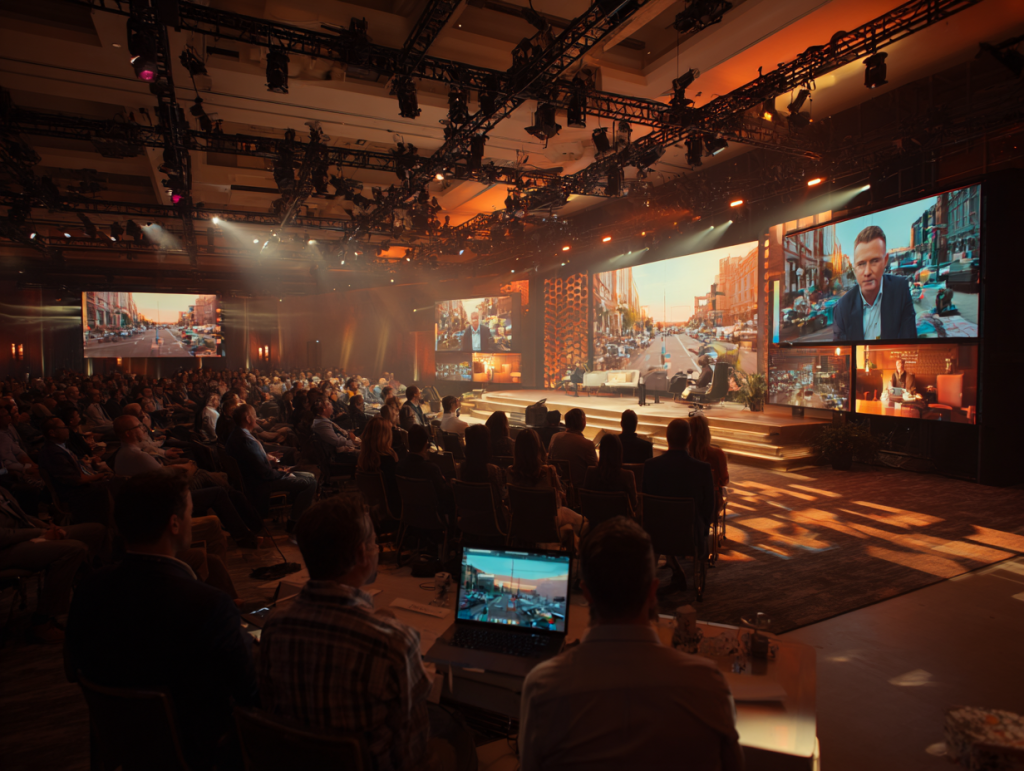
- General Sessions: These are your moments for big, shared emotions. Use them to inspire, unify, and set the overarching theme. A sales kickoff might aim for excitement and motivation, while a leadership summit might strive for a more contemplative and strategic mood.
- Breakout Sessions: These smaller settings are ideal for fostering connection and deeper learning. The mood here should be more intimate and collaborative, encouraging questions and peer-to-peer interaction.
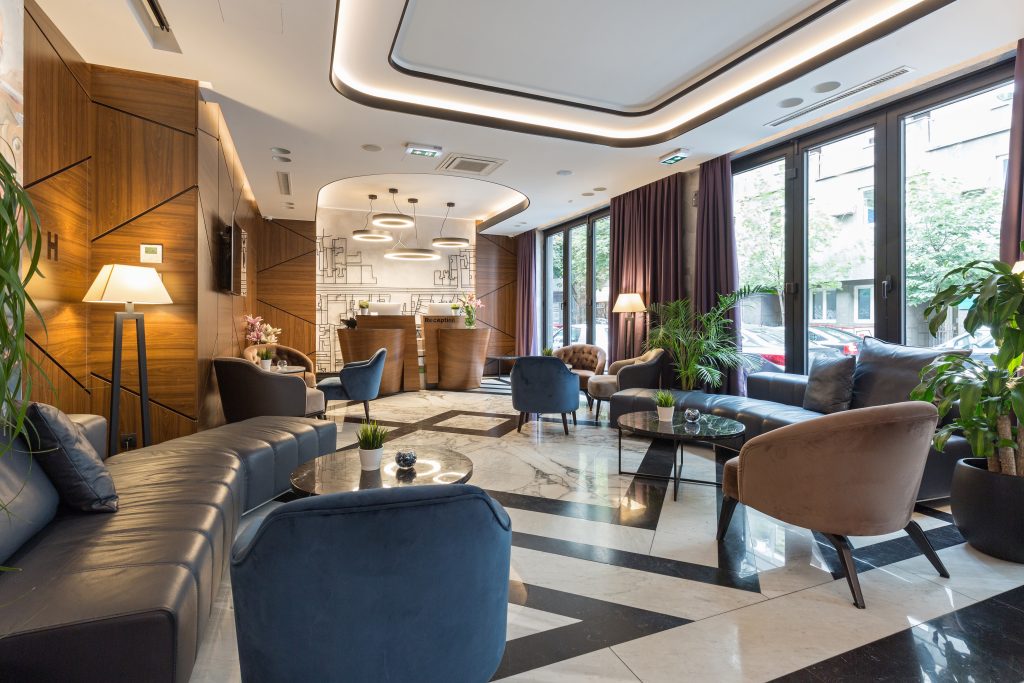
- Networking Events: The goal is to facilitate human connection. The environment should be relaxed and open, with music at a volume that allows for conversation and lighting that feels warm and inviting.
When message and mood are in sync, your content becomes more persuasive and memorable. The emotional context acts as a powerful amplifier for the information you want your audience to retain.
Consistency: The Key to a Cohesive Emotional Journey
An attendee’s emotional journey doesn’t start and end with the event itself. It begins with the first touchpoint—the save-the-date email—and extends through post-event communications. Consistency in tone and feeling across this entire timeline is crucial for building trust and reinforcing your event’s core purpose.
If your pre-event marketing promises an innovative and high-energy experience, the on-site reality must deliver. A clunky registration process or a boring opening session can create an emotional disconnect that undermines your entire effort.
Every element should feel like it belongs to the same story. This includes:
- Pre-Event Communications: Emails, social media posts, and website copy should all reflect the intended emotional tone.
- On-Site Experience: From the branding and signage to the way staff interacts with attendees, every detail should reinforce the event’s mood.
- Post-Event Follow-Up: Surveys, thank-you notes, and content recaps should carry the same tone, bringing the emotional journey to a satisfying close.
This consistency creates a coherent narrative, making the experience feel intentional, professional, and deeply impactful.
How We Build Emotional Narratives: The Story Alchemē Process
At Conference Innovations, we believe story is a strategic asset. That’s why we created Story Alchemē, our dedicated content and messaging arm. We specialize in transforming corporate meetings from logistical gatherings into meaningful, story-driven experiences that are built on a foundation of emotional event design.
Our process is collaborative and strategic, ensuring every moment is crafted with intention.
- Discovery & Alignment: We start by understanding your business goals, your audience’s emotional drivers, and the core message you need to convey.
- Narrative Design: We craft a central theme and an emotional arc for your event, designing a journey that will guide attendees from curiosity to commitment.
- Content Strategy: We map every piece of content—from keynote scripts and breakout sessions to video and visual design—to the narrative, ensuring a cohesive and powerful message.
- Speaker & Production Support: We work with your speakers to help them connect with the audience on an emotional level and collaborate with production teams to create a multi-sensory environment that amplifies the story.
With Story Alchemē, every message, moment, and visual element works together to create an event that doesn’t just inform, but transforms.
Elevate Your Next Event
Emotion is not a soft skill in event planning; it is a strategic tool. By understanding your audience’s drivers, designing for the senses, and aligning your message with a consistent mood, you can create experiences that resonate long after the lights go down. The result is more than just a successful event—it’s a stronger brand, a more connected community, and a message that truly sticks.
If you’re ready to infuse your next conference with the power of emotion, let’s talk. Discover how our strategic approach to event design can help you create a more meaningful and memorable experience.