The Power of Pre-Reads for Smart Venue Decisions
You’ve done the work. After weeks of intensive venue sourcing, you’ve narrowed down a global list of potential properties to a curated shortlist of three excellent options. You’ve reviewed contracts, crunched the numbers, and prepared a detailed analysis. Now, it’s time to present your findings to leadership. But when you walk into the meeting, you’re met with off-the-cuff questions, personal preferences, and a debate that derails the entire conversation. The result? No decision, more work for you, and a frustrating sense of misalignment.
This scenario is all too common for corporate event planners. Getting stakeholders to a confident, data-driven decision is one of the most challenging parts of the job. The key to overcoming this hurdle isn’t a more persuasive presentation; it’s the strategic work you do before the meeting even begins.
A well-crafted pre-read is your most powerful tool for achieving stakeholder alignment. It’s a document shared in advance that equips your leadership team with the context, data, and structure they need to make an informed choice. By delivering the right information at the right time, you can transform a chaotic debate into a productive, strategic decision-making session. This guide will walk you through how to create effective pre-reads that streamline your venue sourcing process and position you as a strategic partner.
Understanding What Stakeholders Truly Need
Before you can build a compelling pre-read, you must understand what your stakeholders are looking for. While you’re deep in the weeds of function space and attrition clauses, your leadership team is focused on a different set of priorities. They need to see how a venue choice connects to broader business objectives.
Your stakeholders are typically evaluating a venue based on three core pillars:
- Financial Impact: What is the total cost, and does it align with our budget? What are the financial risks?
- Brand Alignment: Does this property reflect our company’s brand, values, and desired attendee experience?
- Strategic Value: How does this venue support the event’s primary goals, whether it’s fostering collaboration, impressing clients, or rewarding employees?
A successful pre-read addresses these needs directly. It translates complex logistical details into clear, business-focused insights. Instead of just listing a venue’s features, explain why those features matter to the event’s success and the company’s bottom line.
Structuring a Pre-Read for Clear, Quick Decisions
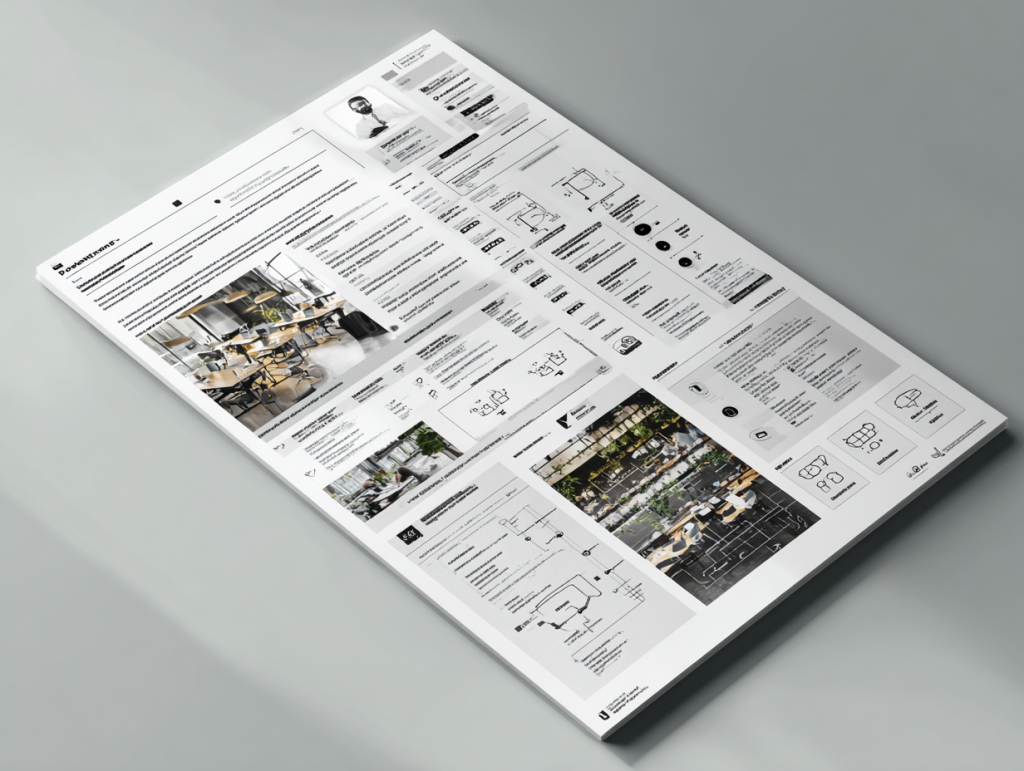
The format of your pre-read is just as important as its content. Leaders are busy; they need information that is easy to scan, digest, and compare. A dense, text-heavy document will likely go unread. Instead, design your pre-read to be a decision-making tool.
A clear, decision-ready format should include:
- An Executive Summary: Start with a brief overview that restates the event’s goals and summarizes your recommendation. This is the most crucial section, as it may be the only part some stakeholders read in detail.
- Side-by-Side Comparisons: Use a table or grid to compare the top 2-3 venues across key criteria. This visual format makes it easy for stakeholders to see the trade-offs at a glance. Include categories like total estimated cost, travel accessibility, brand perception, and key facility highlights.
- Visuals: Incorporate high-quality photos, floor plans, and even short video tours. Visuals help bring a space to life and create a more tangible sense of what each property offers.
By organizing information this way, you guide your stakeholders through a logical evaluation process. You’re not just presenting data; you’re providing a framework that simplifies their decision.
Presenting Pros and Cons to Guide the Conversation
Every venue option comes with a unique set of strengths and weaknesses. Your job is to present these trade-offs transparently to build trust and facilitate a balanced discussion. A simple pros-and-cons list for each property is an incredibly effective tool for achieving this.
This approach demonstrates your strategic thinking and shows that you have thoroughly vetted each option. For example:
- Venue A:
- Pros: Exceptional brand alignment, stunning modern design, excellent airlift from major hubs.
- Cons: Highest cost option, limited breakout space for smaller sessions.
- Venue B:
- Pros: Most budget-friendly, all-inclusive pricing model simplifies contracting.
- Cons: Dated decor may not align with the brand’s innovative image, located far from the airport.
Presenting information in this balanced way preempts many of the questions that might otherwise derail your meeting. It allows the conversation to move beyond surface-level details and focus on what truly matters: which set of trade-offs the organization is most comfortable with. This is a hallmark of strong stakeholder alignment.
Reducing Emotional Bias in Decision-Making
Venue decisions can often be clouded by emotional bias. A stakeholder might have had a great personal vacation at a certain hotel, or another might have a negative association with a particular city. These personal preferences, while valid, can distract from the strategic goals of the event.
A data-driven pre-read is your best defense against emotional bias. By grounding the conversation in objective criteria and clear data, you shift the focus from personal feelings to business outcomes. When everyone is working from the same set of facts, it becomes much harder for subjective opinions to dominate the discussion.
This is also where early alignment frameworks come into play. Before you even begin your venue sourcing, work with stakeholders to establish a clear set of decision criteria. What are the non-negotiables? What are the “nice-to-haves”? Documenting these priorities upfront creates a shared standard against which all options can be measured. When it comes time to make a decision, you can refer back to this agreed-upon framework to keep the conversation on track.
Elevate Your Role Through Strategic Preparation
Mastering the art of the pre-read does more than just streamline your venue sourcing process. It fundamentally changes how you are perceived within your organization. When you consistently prepare stakeholders for thoughtful, efficient decisions, you move from being seen as a logistical executor to a strategic partner. You demonstrate that you understand the business, respect leadership’s time, and are committed to driving successful outcomes.
This approach builds confidence, fosters trust, and ultimately makes your job easier and more impactful. The next time you’re preparing to present a venue shortlist, remember that the most important work happens before you ever step into the room.