Beyond the Brochure
Choosing a destination for a major conference is about more than just finding a city with a great convention center and enough hotel rooms. The brochure might show sparkling ballrooms and sunny skies, but successful planners know the real work lies in understanding what the marketing materials leave out. True destination intelligence goes deeper, uncovering the operational realities that can make or break an event budget, timeline, and attendee experience.
Your role as a planner is to mitigate risk and orchestrate a seamless event. This requires looking past the glossy photos and asking the tough questions. Is the local infrastructure reliable? Are there hidden regulations that could derail your plans? Who are the vendors you can actually trust on the ground?
This guide offers a framework for developing deep destination intelligence. We’ll explore the critical factors you must investigate before signing a contract—from transportation and citywide risks to the nuances of local culture and vendor ecosystems. By adopting this strategic approach, you can protect your event, your budget, and your reputation.
The Reality of Transportation
An attendee’s experience begins the moment they land. A city’s transportation network is the circulatory system of your event, and any friction here can create a poor first impression that’s hard to overcome.
Airport to Hotel Access
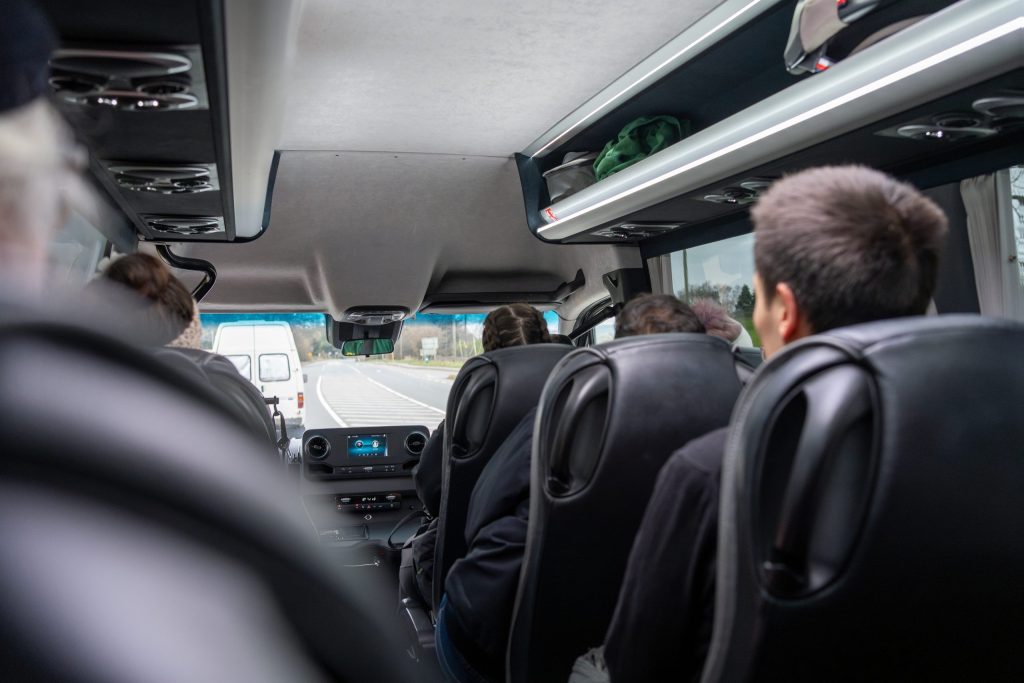
The journey from the airport to the main conference hotels sets the tone. Start by analyzing the distance, typical travel times, and available options. Is ridesharing readily available and affordable, or are attendees dependent on taxis with fluctuating rates? Does the city offer a reliable train or shuttle service? Dig into the specifics. For example, a 15-mile drive might seem short, but if it’s during peak rush hour in a city known for gridlock, that could mean a 90-minute, stress-inducing trip for your attendees.
Navigating the City
Once attendees have checked in, how easily can they move between the convention center, hotels, and off-site event venues? Walkability is a huge plus, but don’t take it for granted. Use Google Maps to check the actual walking routes. A “five-minute walk” on paper could involve crossing a six-lane highway or navigating poorly lit streets. If your events are spread out, investigate the public transit system’s reliability, cost, and safety. For large-scale events requiring shuttle services, you need to understand local traffic patterns, major city events that could cause street closures, and the availability of reputable transportation companies.
Understanding Citywide Risks
Every location has its own unique set of risks that won’t be mentioned in a sales pitch. Proactive planners identify these potential threats to ensure they have contingency plans in place.
Seasonal & Environmental Factors
A city’s climate is a major consideration. Planning a conference in Miami during hurricane season (June to November) requires a completely different risk mitigation strategy than an event in Denver during blizzard season. Look beyond average temperatures. What is the likelihood of extreme weather events that could cause travel disruptions or power outages? Does the destination have a history of labor strikes affecting hotels, transportation, or convention centers? These factors must be part of your site inspection and contracting process.
Safety & Security
The safety of your attendees is paramount. Research crime rates in the specific neighborhoods where your hotels and venues are located, not just the city as a whole. Pay attention to areas around the convention center and popular entertainment districts where attendees might go in the evenings. Connect with the local Convention & Visitors Bureau (CVB) to get candid insights and learn about any city-led safety initiatives. This groundwork is essential for creating accurate pre-event communications and developing a solid emergency response plan.
The Local Vendor Ecosystem
Your event’s success is heavily dependent on the quality and reliability of your local partners. A city might look perfect on paper, but if it lacks a strong ecosystem of professional vendors, you’ll find yourself struggling with execution.
Vetting Key Partners
You’ll need to source everything from AV and production companies to florists, caterers, and staffing agencies. How deep is the talent pool in your potential host city? In some smaller markets, there may only be one or two dominant players, giving you little leverage in negotiations and limited backup options if something goes wrong. Ask the CVB and your hotel contacts for recommendations, but always do your own due diligence. Look for online reviews, ask for references from past corporate clients, and assess their experience with events of your scale and complexity.
Capacity & Competition
It’s crucial to understand the city’s event calendar. If your conference coincides with another major citywide event, you could face fierce competition for top-tier vendors, equipment, and labor. This can drive up costs and limit your options. A thorough understanding of local vendor capacity helps you secure the right partners early and avoid last-minute scrambles.
Navigating Local Rules & Regulations
Every city has its own web of permits, union rules, and regulations that can create unexpected hurdles and costs.
For instance, some convention centers have exclusive contracts with certain providers, meaning you have no choice but to use their designated AV or catering services. Union regulations can be particularly complex, dictating everything from who can plug in a projector to how many hours a technician can work before overtime kicks in. These rules can have a significant impact on your budget and operational flexibility. Make sure to get a comprehensive list of all applicable regulations and union requirements in writing before you finalize your venue contract.
Appreciating Cultural Nuances
Finally, a deep understanding of a city’s culture helps you create an authentic and respectful attendee experience. This goes beyond simply knowing where the best restaurants are. What are the local customs? What is the general pace of life? In some cities, business may operate at a more relaxed pace, which could affect response times and deadlines.
Tapping into the local culture can also provide unique opportunities to enhance your event. You could incorporate local artists, musicians, or culinary specialties into your program to give attendees a genuine taste of the destination. This thoughtful approach shows that you’ve done your homework and creates a more memorable and engaging experience.
Building True Destination Intelligence
Moving beyond the brochure is what separates a good planner from a great one. It requires a curious and critical mindset, a commitment to thorough research, and the confidence to ask challenging questions. By focusing on the core pillars of transportation, risk, vendors, regulations, and culture, you build a foundation of destination intelligence that empowers you to make strategic decisions.
At Conference Innovations, we believe that deep destination knowledge is the bedrock of successful event planning. If you’re looking to strengthen your sourcing strategy or need a partner to help you navigate the complexities of a new city, our team is here to provide the insight and support you need to ensure your event thrives.