Make Your Destination Part of the Story
When you’re planning a large-scale corporate event, the destination is more than just a backdrop—it’s a core part of the attendee experience. Choosing a city is one of the biggest decisions you’ll make, influencing budget, logistics, and atmosphere. But its greatest potential lies in its ability to amplify your message. Strategic destination storytelling turns a location on a map into a powerful narrative tool.
Instead of treating the host city as incidental, you can weave its unique character directly into your event theme. This creates a cohesive, immersive experience that feels intentional and leaves a lasting impact on attendees. It shows you’ve thought not just about where to host the event, but why you’re hosting it there.
This guide will walk you through how to connect your event’s purpose to a place, using visual cues, curated moments, and consistent messaging to create a powerful narrative. We’ll explore how to transform your location into an active participant in your event’s story.
Connect City Personality to Your Event Theme
Every city has a distinct personality, a unique blend of history, culture, industry, and energy. The first step in destination storytelling is to identify the traits of your host city that align with your event’s core message.
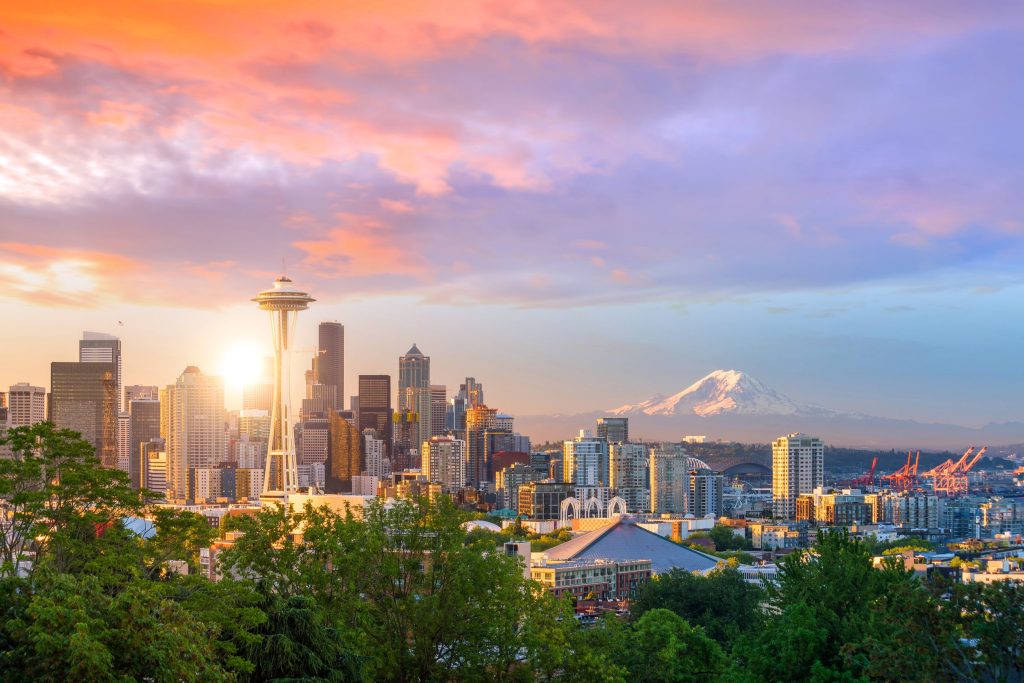
Are you hosting a tech summit focused on innovation? A city known for its forward-thinking startups and modern architecture, like Austin or Seattle, provides a natural narrative foundation. Is your goal to foster leadership and resilience? A city with a rich history of overcoming challenges, like New Orleans or Berlin, can offer powerful metaphors and inspiration.
To find these connections, ask strategic questions:
- What is the city known for? Think beyond the obvious tourist attractions. Is it a hub for finance, art, or manufacturing? Is it famous for its natural landscapes or its culinary scene?
- What is the city’s story? Does it have a history of reinvention, pioneering spirit, or artistic expression?
- How do these traits mirror your event’s goals? If your theme is “Building the Future,” a city with a skyline dominated by cranes and new construction provides a living metaphor for growth and progress.
Once you identify this alignment, it becomes the foundation for your event theme. For example, a financial services conference in New York City could adopt the theme “Navigating Market Dynamics,” drawing parallels between Wall Street’s energy and the industry’s fast-paced nature. This connection makes the theme feel authentic and grounded in the environment.
Use Visual and Narrative Cues
With your core connection established, you can begin weaving the city’s identity into the fabric of your event through consistent visual and narrative cues. This is where your destination storytelling comes to life, creating a sensory experience that reinforces your theme at every turn.
Visual Language
Your event’s visual identity should reflect the city’s character. This goes far beyond simply putting a skyline on a banner.
- Color Palette: Draw inspiration from the local environment. A conference in Miami could use a palette of vibrant art deco pastels, while an event in Denver might incorporate earthy tones from the nearby Rocky Mountains.
- Typography and Graphics: Look at the city’s signage, architecture, and public art. A city with a strong industrial heritage might inspire bold, blocky fonts, while a historic city like Boston could influence more classic, refined typography.
- Imagery: Use professional photography and videography that captures the spirit of the city, not just its landmarks. Focus on textures, patterns, and scenes that evoke the feeling you want to associate with your event.
Narrative Integration
The story of the city should be present in your event’s content and messaging.
- Session Titles and Descriptions: Name your breakout tracks or sessions after local neighborhoods, landmarks, or historical events that align with their topics. For a sales kickoff in Chicago, a session on overcoming obstacles could be titled “The Great Chicago Fire: Rebuilding Stronger.”
- Speaker Introductions: Frame your speakers’ expertise within the context of the city. For example: “Just as this city is a hub for global trade, our next speaker is a leading voice in international market strategy.”
- On-Site Messaging: Use digital signage, event apps, and printed materials to share interesting facts about the city that connect back to your theme. A simple message like, “Did you know? The Golden Gate Bridge was once called ‘the bridge that couldn’t be built.’ What impossible goals are you tackling this week?” can spark inspiration.
These subtle yet consistent cues create an immersive world for your attendees, making the event experience feel cohesive and deeply thoughtful.
Design Moments Around Place
The most memorable events are often defined by specific moments. By designing experiences unique to your host city, you can create powerful memories intrinsically linked to your brand and message.
Think beyond the conference walls and consider how you can use the city itself as your stage.
- Off-Site Events: Instead of a generic ballroom dinner, host a reception at a venue that tells a story. This could be a historic museum, an innovative art gallery, or an architectural landmark. The venue becomes part of the experience, reinforcing the themes you’ve established. For an event focused on sustainability, consider a reception at a local botanical garden.
- Local Experiences: Offer curated activities that let attendees engage with the city in meaningful ways. This could include architectural boat tours, guided street art walks, or culinary classes with local chefs. When these activities connect to your event theme, they become more than just entertainment—they become part of the learning journey.
- Incorporate Local Talent: Bring the city’s culture into your event by featuring local musicians, artists, or guest speakers. A live jazz trio from New Orleans playing at a networking reception communicates the city’s soul better than any stock photo ever could.
These moments provide a welcome break from the traditional conference format and show attendees that you have invested in creating a truly unique and place-based experience for them.
Ensure Story Alchemē Continuity
Destination storytelling isn’t a one-off tactic; it’s a strategic thread that should run through your entire event lifecycle. At Conference Innovations, we call this Story Alchemē—the art of crafting a continuous and compelling narrative from the first touchpoint to the final follow-up.
Your destination story should begin long before attendees arrive.
- Pre-Event Communications: Use your “Save the Date” and registration announcements to introduce the host city and hint at the event theme. Share short videos or articles that highlight the city’s unique character and explain why it was chosen. This builds anticipation and sets the stage for the experience to come.
- During the Event: As we’ve explored, the story should be woven through every visual, narrative, and experiential element on-site. The goal is for attendees to feel a seamless connection between the content they’re learning and the environment they’re in.
- Post-Event Follow-Up: Reinforce the narrative in your thank-you emails and content recaps. Use imagery from the event that features the city prominently. A highlight reel that intersperses clips of keynote speakers with shots of the city’s iconic scenery can powerfully cement the connection between the message and the location.
By maintaining this narrative continuity, you ensure that the story of your event and the destination’s story become one and the same in your attendees’ minds.
Transform Your Next Event
Choosing a destination is a strategic decision. By intentionally weaving the character of your host city into the fabric of your event, you can create a more meaningful, memorable, and impactful experience. Destination storytelling elevates your event from a series of presentations to a cohesive journey, turning your location into one of your most powerful assets.
When you connect your message to a place, you give your attendees a new way to see a city—and a new way to understand your brand.