Choosing Venues People Want to Attend
As an event planner, your venue sourcing process is likely a careful balance of budget, capacity, and logistics. You’re searching for a space that checks all the right boxes for your client’s needs and your operational plan. But what if we shifted the focus from a purely logistical lens to an experiential one? What if the first question wasn’t “Does it fit our budget?” but “Will our attendees love being here?”
Choosing a venue through the attendee experience lens transforms an event from a logistical success into a memorable, engaging gathering. It’s about recognizing that a venue is more than just a physical space; it’s the container for the entire event journey. A thoughtful venue choice can boost registration, improve engagement, and leave a lasting positive impression long after the final session ends.
This guide will walk you through how to select a venue that resonates deeply with your audience, turning a simple location into a strategic asset for creating an unforgettable attendee experience.
Understanding Attendee Motivations
Before you even begin your venue search, it’s crucial to understand who your attendees are and what drives them. Are they coming for deep learning, high-energy networking, or a relaxing corporate retreat? Their primary motivation should directly influence your venue choice.
A sales team flying in for a high-stakes annual kickoff has different needs than a group of engineers attending a technical conference. The sales team might thrive in a vibrant, centrally located hotel with ample space for social events and a bit of local flavor. The engineers, on the other hand, might prefer a quiet, focused environment like a dedicated conference center with state-of-the-art tech and breakout rooms for focused collaboration.
When you align the venue with attendee motivations, you’re not just providing a place to meet—you’re creating an environment that naturally supports their goals for being there. This alignment is the first step in crafting a truly exceptional attendee experience.
Prioritizing Accessibility and Amenities
An attendee’s experience begins long before they step into the opening keynote. It starts with their journey to the venue. A location that is difficult to reach, has limited parking, or is far from public transport can create stress and frustration, tainting their perception of the event before it even starts.
Making it Easy to Get There
When evaluating venues, consider the complete travel journey:
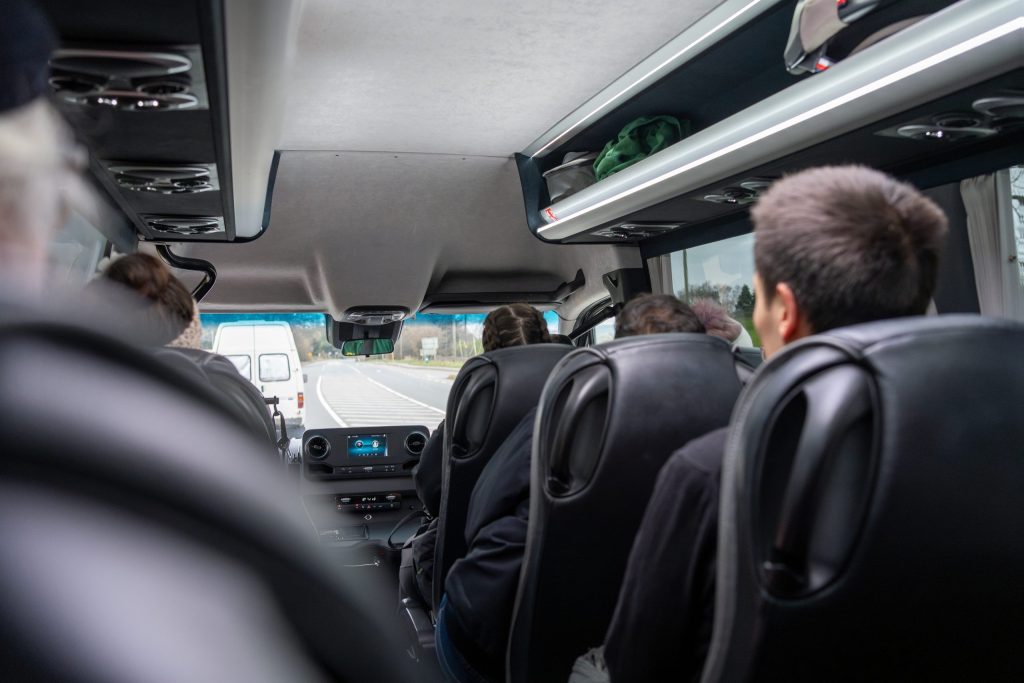
- Proximity to Airports and Transport Hubs: How easy is it for attendees to travel from the airport to the venue? Are shuttle services available, or are ride-sharing and taxi costs reasonable?
- Driving and Parking: For local or regional events, is there ample, clearly marked, and affordable parking? Consider the frustration of circling a block looking for a spot—it’s a small detail that can have a big impact.
- Walkability: Is the venue in a safe, walkable neighborhood with nearby restaurants, coffee shops, and hotels? Giving attendees the freedom to explore during their downtime enhances their overall trip and provides a much-needed break from the confines of the conference space.
Amenities That Elevate the Experience
Once attendees are on-site, the right amenities can make all the difference. Think beyond the standard Wi-Fi and power outlets. What small comforts can you provide to make their day easier and more enjoyable?
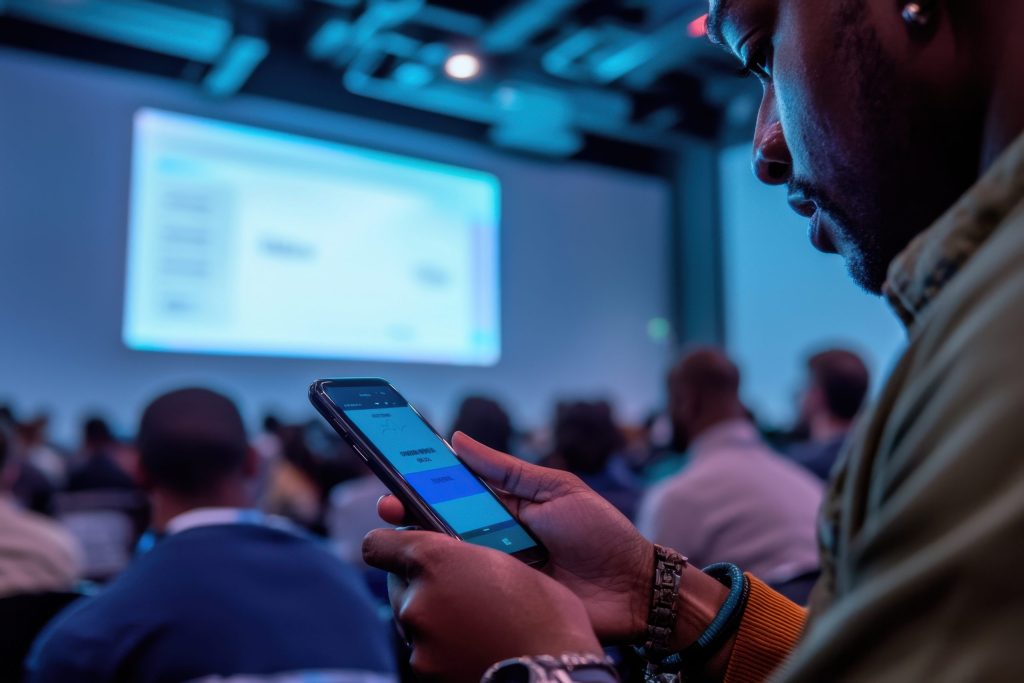
- Reliable Wi-Fi: Fast, free, and reliable Wi-Fi is non-negotiable. Ensure the venue’s infrastructure can handle the load of hundreds or thousands of devices simultaneously.
- Charging Stations: Conveniently located charging stations are a lifesaver. Attendees will thank you for providing dedicated spots to power up their devices between sessions.
- Quiet Spaces: Not everyone thrives in a high-energy environment all day. Providing a designated quiet zone or “recharge room” gives introverts and overwhelmed attendees a place to decompress.
- Nourishment Stations: Think beyond the standard coffee break. Access to water stations, healthy snacks, and quality coffee throughout the day keeps energy levels high and shows you care about their well-being.
Designing for Comfort and Flow
The physical layout of a venue directly impacts how attendees move, interact, and engage with your event. A poorly designed space can lead to bottlenecks, confusion, and a disjointed experience.
The Importance of Attendee Flow
Walk the venue with the attendee journey in mind. Is the path from registration to the general session clear and intuitive? Are breakout rooms easy to find? A logical flow minimizes confusion and allows attendees to focus on the content and connections, not on navigating a complex floor plan. Clear, professional signage is essential here—don’t rely on the venue’s existing signs alone.
Creating Intentional Spaces
Different activities require different environments. A well-chosen venue should offer a variety of spaces that can be tailored to your program’s needs:
- Networking Areas: Avoid forcing networking into cramped hallways. Look for venues with open atriums, comfortable lounge areas, or even outdoor patios where attendees can gather and connect in a relaxed setting.
- Breakout Rooms: Ensure breakout rooms are appropriately sized and equipped. A room that’s too large can feel empty and stifle discussion, while one that’s too small can feel cramped and uncomfortable.
- Natural Light and Ambiance: Never underestimate the power of natural light. Spaces with windows can boost mood and energy levels, making for a more pleasant and engaging experience. Consider the overall ambiance—does the decor feel modern and inspiring or dated and drab?
Gathering Attendee Insights
The best way to know what your attendees want is to ask them. Integrating feedback into your planning process ensures your decisions are data-driven and genuinely reflect your audience’s preferences.
Post-event surveys are a goldmine of information. Don’t just ask about the speakers and content; include specific questions about the venue. Ask attendees to rate their experience with parking, navigation, comfort, and amenities. Open-ended questions like “What did you love about the venue?” and “What could have been better?” can provide invaluable qualitative insights.
Use this feedback to build a profile of your ideal venue. Over time, you’ll develop a deep understanding of what matters most to your specific audience, allowing you to source future venues with even greater confidence and precision.
Your Blueprint for Success
Choosing a venue is one of the most significant decisions you’ll make as an event planner. By shifting your perspective to the attendee experience, you can transform a simple logistical choice into a powerful strategic tool. A venue that is accessible, comfortable, and aligned with your attendees’ motivations sets the stage for a truly successful event.
When your attendees feel considered and cared for, they are more likely to engage with your content, connect with their peers, and leave with a positive, lasting impression of your brand. The next time you begin a venue search, start by asking: “Will my attendees thrive here?” The answer will guide you toward creating an event that truly stands out.