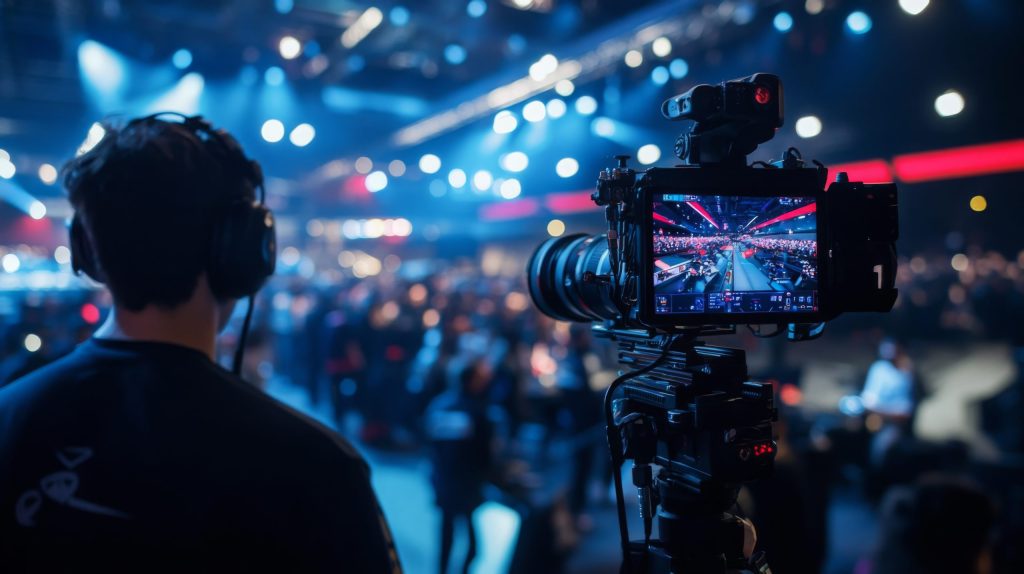
How to Design a Stage for Maximum Impact
A great stage design does more than just look impressive. It directs attention, reinforces your message, and creates an immersive environment that keeps attendees engaged. When your stage is designed with purpose, it becomes a powerful tool for storytelling, turning a simple presentation into a memorable experience. So, how do you move from a functional setup to a strategic one?
This guide walks through the essential principles of impactful stage design for corporate events. We’ll explore how to align your scenic elements with your message, integrate technology seamlessly, and partner with your production team to bring it all to life. By the end, you’ll have a clear framework for creating a stage that not only supports your content but elevates it.
The Foundation: Key Principles of Scenic Design
Effective stage design is a blend of art and strategy. It’s about creating a visual world that captures your event’s theme and purpose. Before you start thinking about specific set pieces or screens, it’s crucial to ground your vision in these core design principles.
Balance and Symmetry
Balance creates a sense of stability and order. A symmetrical stage design, where elements on the left and right mirror each other, feels formal, organized, and intentional. This is often a safe and powerful choice for corporate settings, as it conveys professionalism and control. Asymmetrical design, on the other hand, can create a more dynamic and modern feel, but it requires a careful eye to ensure it looks balanced rather than chaotic. The key is to distribute visual weight evenly, so one side of the stage doesn’t feel heavier or more cluttered than the other.
Focal Point and Hierarchy
Where do you want your audience to look? An effective stage design has a clear focal point, which is typically where your primary speaker or central screen is located. You can guide the audience’s eye using lighting, color, and positioning. Everything else on the stage should support this main point of focus, not compete with it. This creates a visual hierarchy that makes it easy for attendees to follow the action and absorb key information without feeling overwhelmed.
Space and Scale
The scale of your scenic elements should be appropriate for the venue and the audience size. A design that looks amazing in a rendering can feel tiny in a massive ballroom, while an oversized set can feel claustrophobic in a smaller space. Consider both the height and width of the stage. Using vertical elements, like tall screens or branded panels, can draw the eye upward and make the stage feel grander. Negative space is also important—a stage that is too cluttered can distract from your message.
Beyond the Backdrop: AV and Design Cohesion
In modern event production, stage design and audiovisual technology are inseparable. Your screens, projections, and audio systems are not just technical requirements; they are integral parts of the scenic environment. Achieving cohesion between these elements is critical for a polished and professional result.
Integrating Screens as Scenic Elements
Too often, screens are treated as an afterthought—simply functional rectangles placed on stage. Instead, think of your screens as dynamic scenic elements. Consider using a mix of screen sizes and orientations to create visual interest. LED walls offer immense flexibility, allowing you to create custom shapes or even build entire digital backdrops that can change with each session. When your screens are thoughtfully integrated into the overall design, they feel like a natural part of the set rather than a separate component.
Matching Content to Canvas
Your visual content—slides, videos, and graphics—should be designed to work with your stage. If you have an ultra-wide screen, are your presentations formatted to take advantage of that space? If you have multiple screens, have you planned how content will flow between them? A strong production plan includes a content strategy that aligns with the AV setup. This ensures that every visual element feels intentional and contributes to a unified, immersive experience for the audience.
Let There Be Light: Lighting and Sightlines
Lighting is one of the most powerful and cost-effective tools in stage design. It sets the mood, highlights key speakers, and transforms the physical space. At the same time, you must ensure that everyone in the room has a clear view of the action.
Using Light to Shape the Environment
Lighting can dramatically alter the perception of a stage. Use color to reinforce your brand or evoke a specific emotion—cool blues can create a calm, corporate feel, while warm ambers can feel more intimate and inviting. Gobos (stencils placed over lights) can project patterns or logos onto the stage floor or walls, adding texture and depth. Dynamic lighting that changes with the music or presentation content can also boost energy and maintain audience engagement.
Ensuring Clear Sightlines for All
A beautiful stage is useless if half the audience can’t see it. Before finalizing your design, carefully review the sightlines from every section of the room. Are there columns, cameras, or large set pieces blocking the view? Consider the height of the stage itself—it needs to be high enough for those in the back of the room to see clearly. Work with your production team to create a seating layout and camera plot that guarantees a great view for both in-person and virtual attendees.
The Power of Partnership: Collaborating with Production
Creating a stunning stage is a team effort. A strong partnership between your internal team and your production company is the most important factor for success.
Open communication and early collaboration are essential. Bring your production partner into the conversation from the very beginning. Share your event goals, your key messages, and your brand identity. A good production team will be able to translate your vision into a practical, buildable design that respects your budget.
Trust their expertise. They understand the technical constraints and possibilities of a venue. They can suggest creative solutions you may not have considered and help you avoid common pitfalls. When you treat your production company as a strategic partner, you’ll achieve a final result that is far greater than the sum of its parts.
Story Alchemē: Where Strategy Meets the Stage
At Story Alchemē, we believe that stage design is an extension of your event’s narrative. Every visual choice should support and amplify the story you want to tell. Our approach integrates scenic design with content strategy from the outset, ensuring that your stage becomes a powerful vehicle for your message.
We collaborate with you and your production partners to design environments that are not only beautiful but also deeply meaningful. By aligning your visual world with your core themes, we help you create a cohesive and emotionally resonant experience that leaves a lasting impression on your audience. We transform the stage from a simple platform into a strategic asset.